

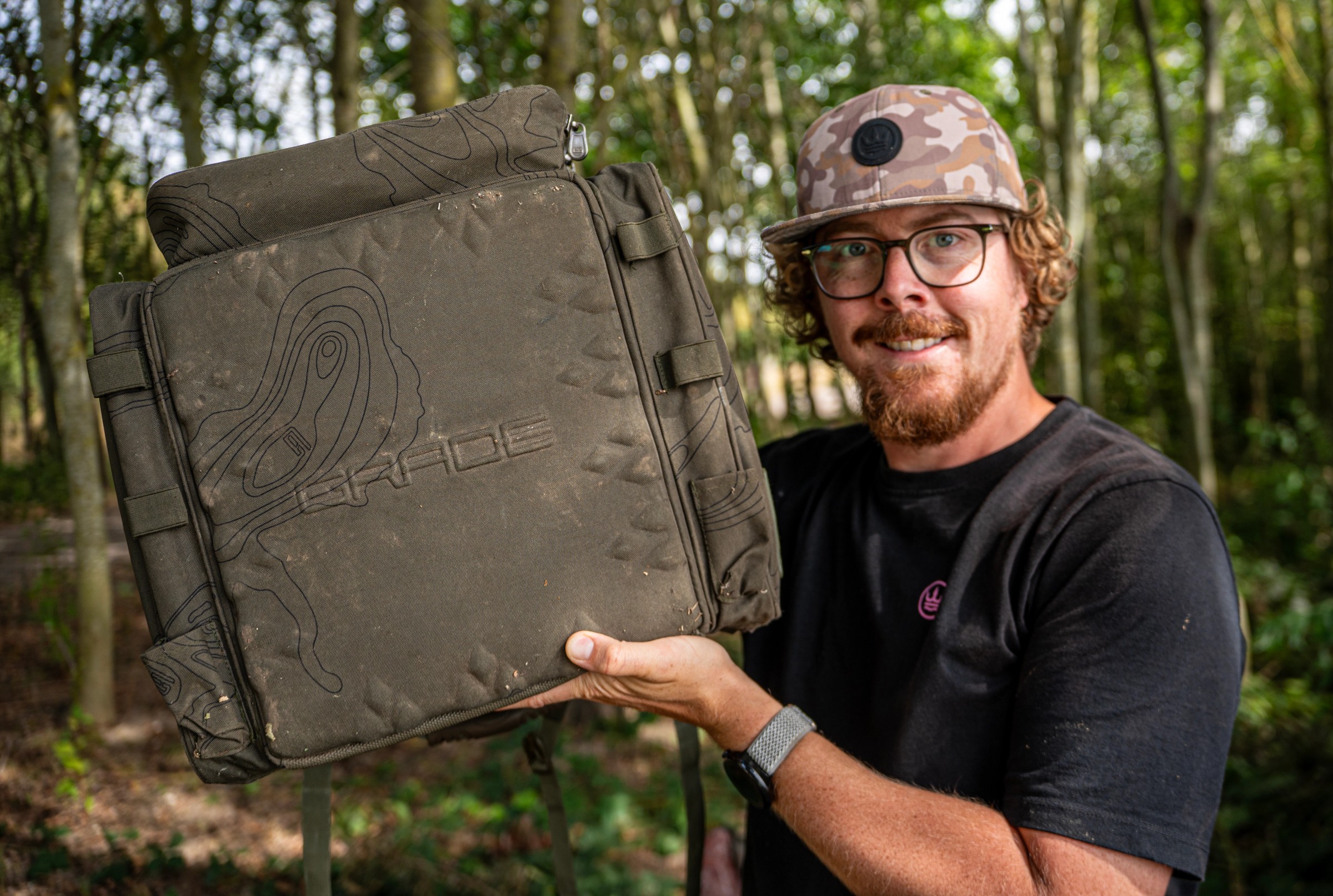

Whether you’re heading out for a quick afternoon session, a 48-hour overnight stay, or packing for a full week on the bank, one thing remains constant: your rucksack.
Rods, reels, bivvies, and bed chairs might shift depending on the venue, but your central tackle carryall houses the core foundations of your setup. If you leave this at home, you’re pretty much stuck!
Below is a complete, itemized breakdown of how to organize your carp fishing rucksack efficiently so you never find yourself short of a vital rig tool or hook link again.
Rucksack Breakdown & Layout
When packing for any carp session, efficiency and structural layout are everything. You want a system where every tool, lead, and hook has a designated home – eliminating the need to tear your swim apart just to find a single boilie needle.
A well-designed carp rucksack should function as your mobile workstation, keeping your gear clean, dry, and immediately accessible off the damp ground.
The Rucksack itself
The backbone of this system is a dedicated, heavy-duty carp rucksack.
- Padded Support: Look for a bag with well-padded back support and shoulder straps. While it often gets loaded straight onto your barrow, comfortable straps are essential when you’re mobile-stalking or trekking to distant swims.
- Dual Carry Handles: Top and side grab handles allow you to handle the pack like a traditional carryall when pulling it from your vehicle or barrow.
- Hard-Wearing Waterproof Base: A rigid, rubberized/molded base is non-negotiable. It allows the bag to sit completely upright in mud, wet grass, or gravel without moisture seeping into your gear.
- Integrated Rig Table & Straps: Select packs feature adjustable internal webbing straps that hold the top lid open at a 90-degree angle, transforming the main flap into a level, temporary bivvy table for bankside rig tying.
The main compartment
The main internal cavity acts as your high-capacity storage hub for larger items and modular pouches.
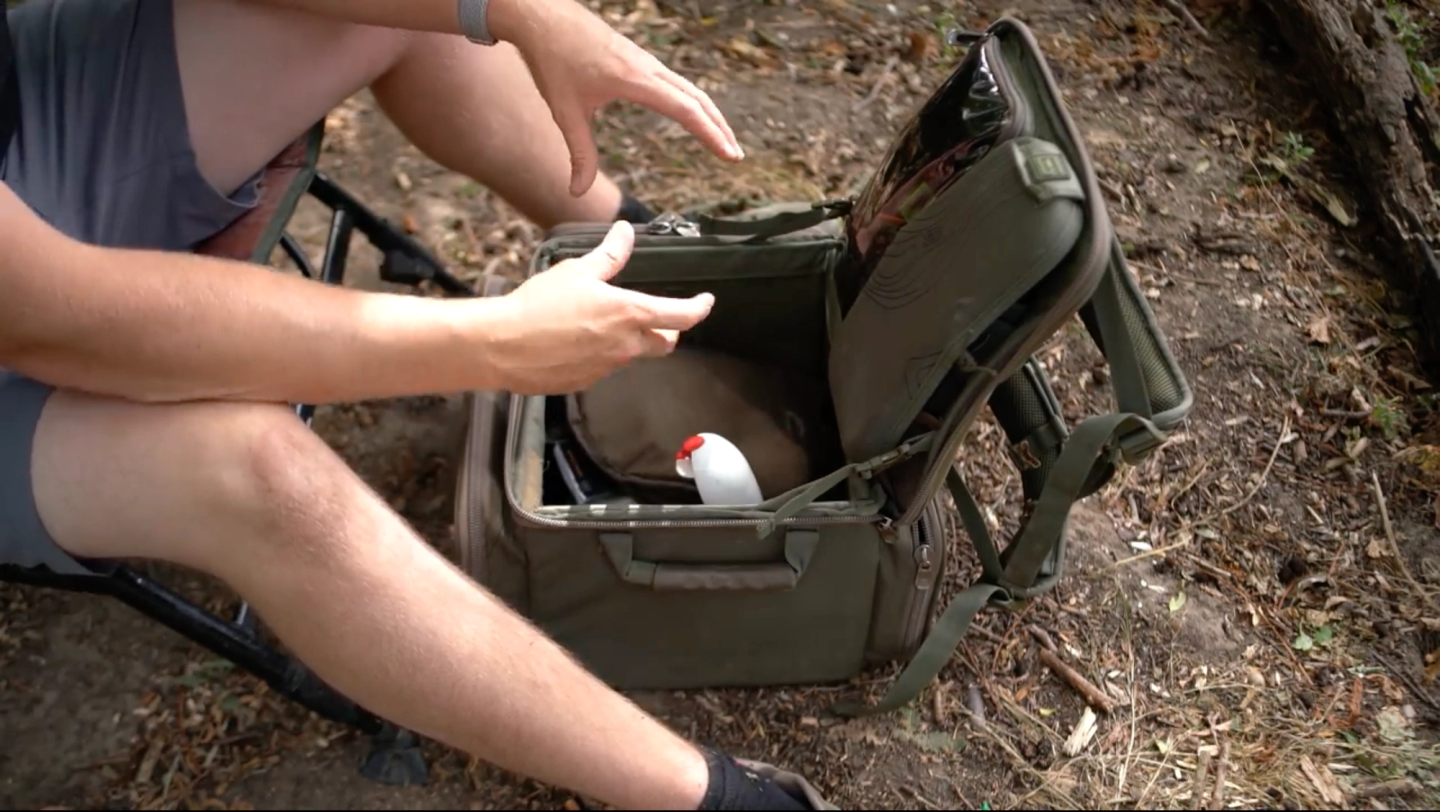
Core Gear Stored in the Main Section
- Scales & Carp Care Kit: Always kept right at the top for immediate access as soon as a fish is landed.
- Surface Fishing Bucket & Mixers: Easily accommodates a dedicated bait bucket loaded with floating mixers and controller floats for opportunist surface sessions.
- Spares & Essentials: Ideal for storing spare spods, spombs, backup rig materials, and surface tackle pots.
- Bivvy Light & PVA Mesh: Kept secure in fixed internal retaining straps so they never get lost in the bottom of the bag.
- Clear Tool & Accessory Pocket: Built-in transparent zip pockets hold smaller secondary essentials like headtorches, Allen keys, and spare multi-tools.
The outside pockets
External zippered pockets allow you to grab mission-critical items instantly without opening the main compartment.
The Bankware & Alarm Pocket
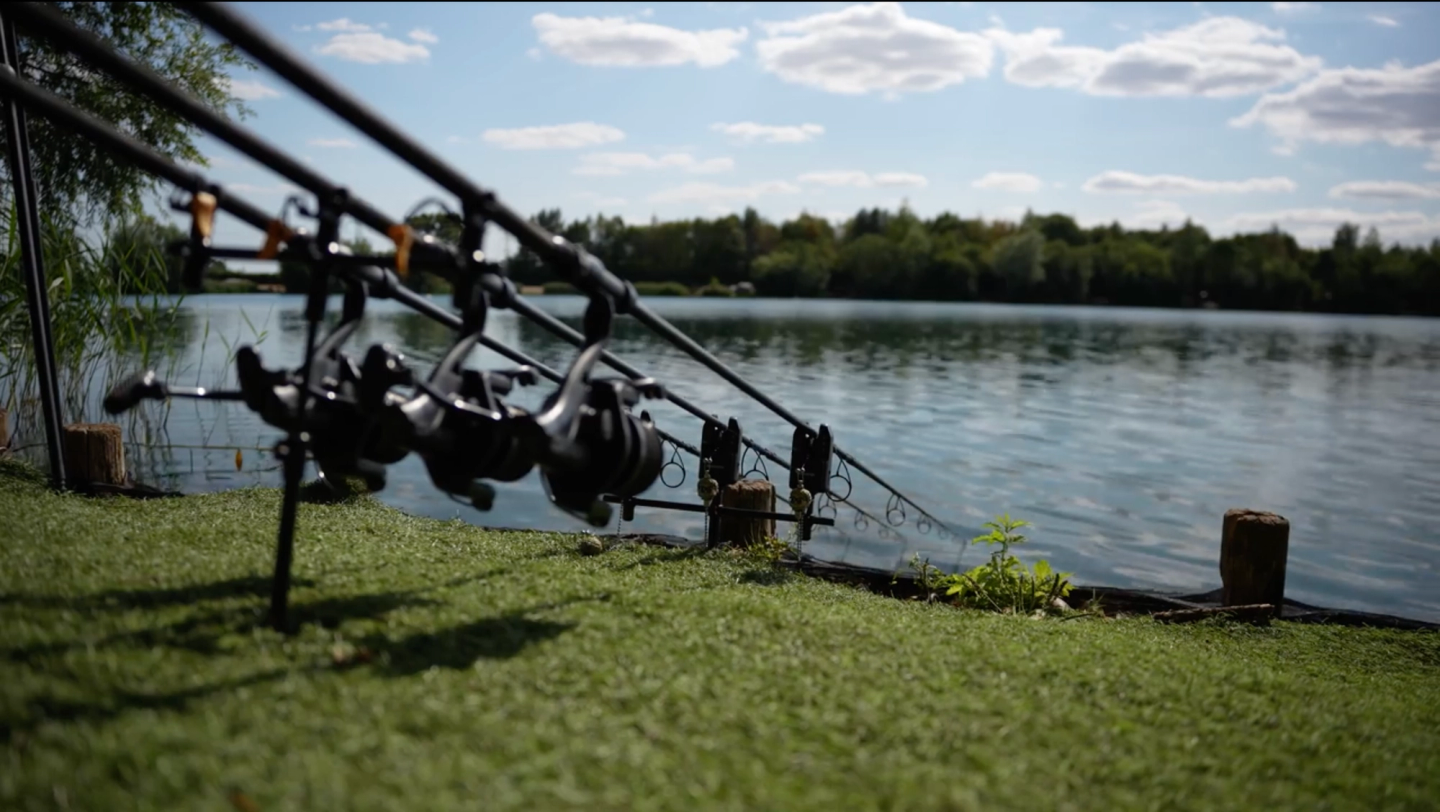
This side pocket houses your complete rod support setup:
- Bank sticks & Buzz bars
- Bite alarms & Wireless receiver
- Spare leads (stored in an internal sub-pocket)
The Rig Wallet Pocket
Opposite the bankware section, this side pocket is sized specifically for a structured rig wallet or stiff-rig board, keeping pre-tied rigs flat, straight, and protected from crushing.
The Top Pocket (Tackle Box Hub)
Located on top for immediate access, this pocket is custom-sized to hold a fully loaded, hard-shell terminal tackle box.
Inside my tackle box
A modular terminal tackle box is the ultimate centerpiece of your fishing kit. Organizing it by item type saves precious time when fish are feeding.
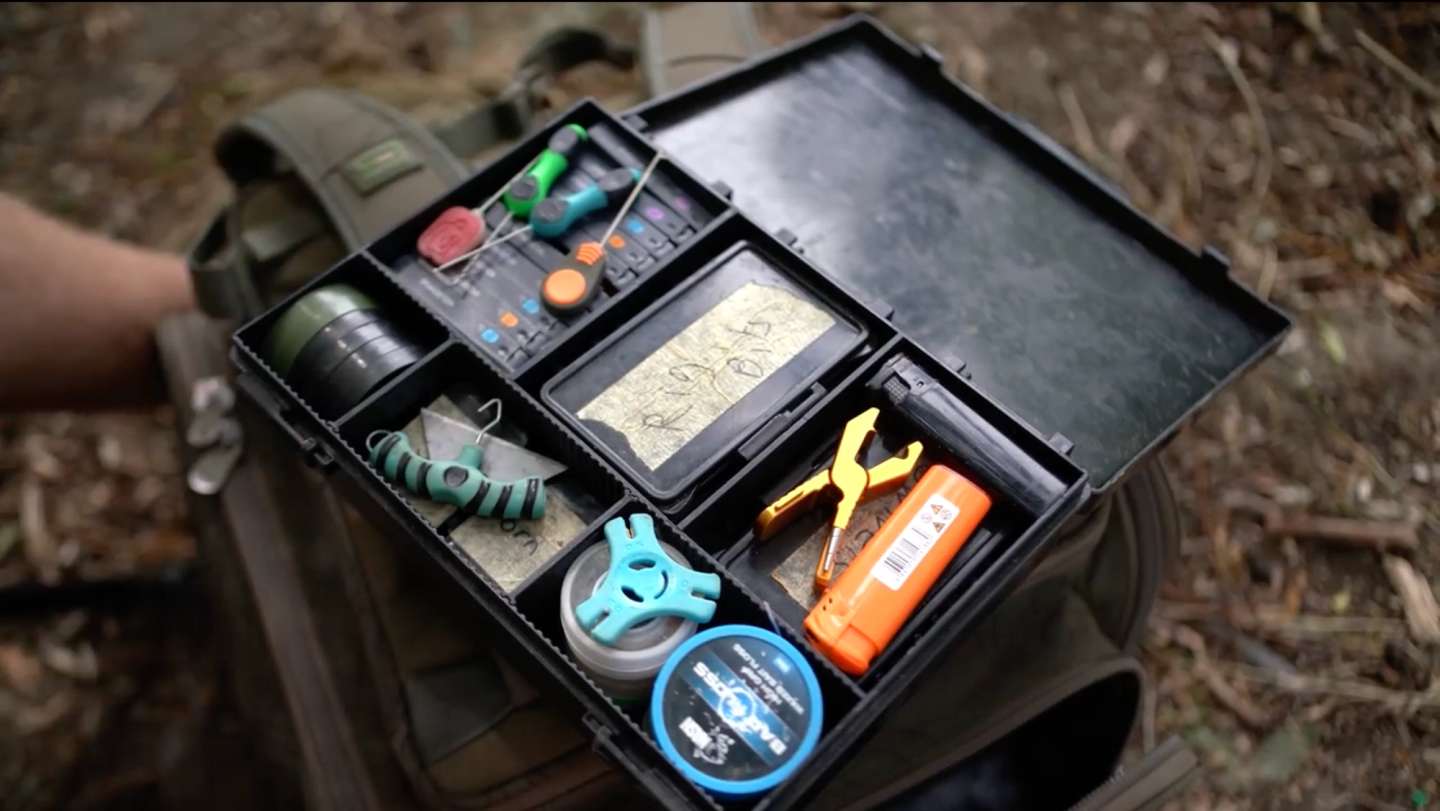
Rig Tools
Closed-latch needles, fine boilie needles, bait screws, and at least two spare needles (snapping one mid-session without a backup is a nightmare!).
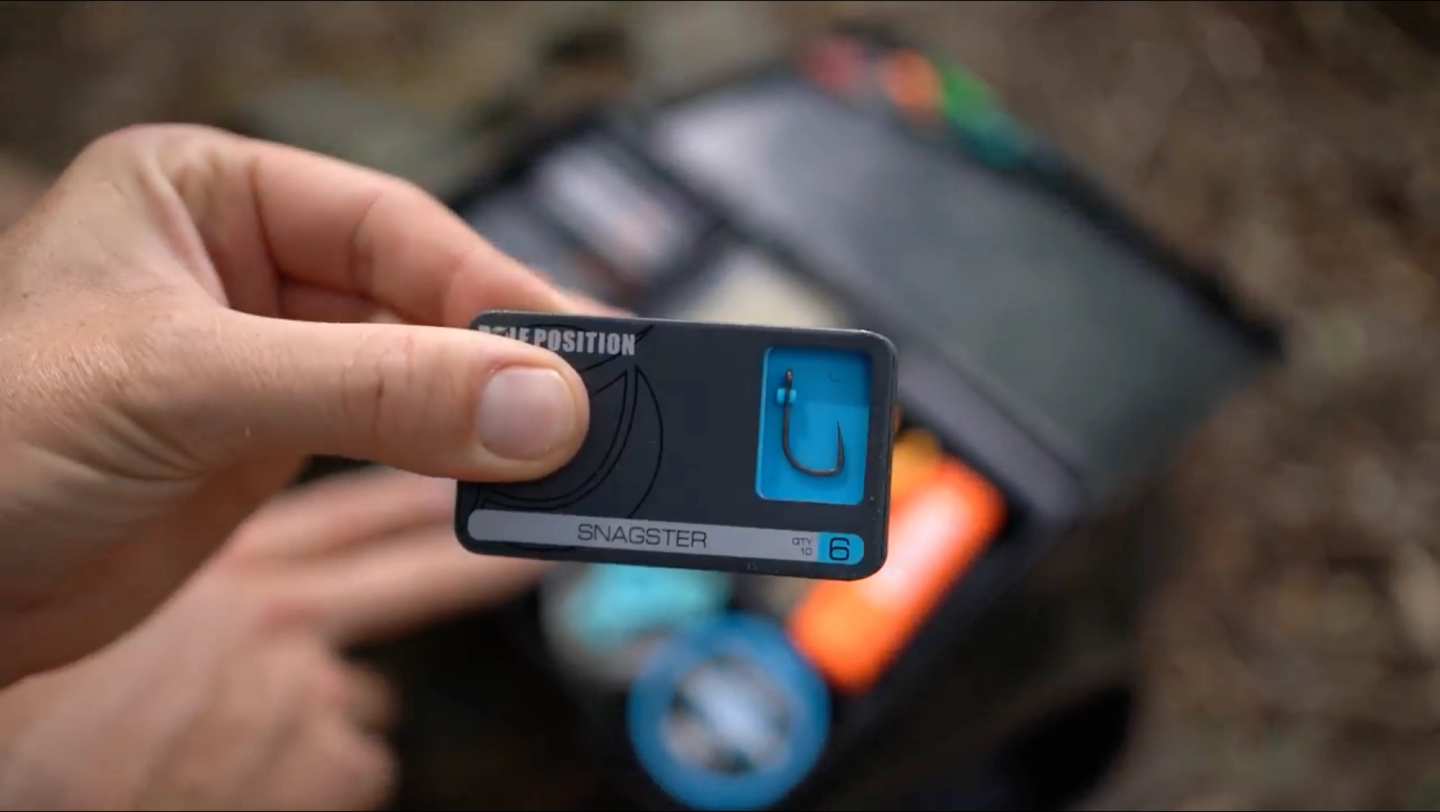
Hook Collection
Heavy-gauge wide gape hooks (e.g., Snagsters) for heavy cover; curve-shank hooks (e.g., Strongbows) for standard pop-up/bottom-bait presentations; lightweight PTFE-coated hooks (e.g., Cryogens) for delicate surface setups.
Modular Rig Bits Box
Dedicated compartment box for line aligners, Ronnie sleeves, bait stops, hook beads, and lead clips.

Terminal Components
Dedicated micro-boxes for tail rubbers, rig foam, anti-tangle sleeves, and size-8/QC swivels.
Hooklink Materials
Stiff-coated braid (for boom sections), semi-stiff coated braid (in Silt & Weed colors), and ultra-supple uncoated braid for PVA solid bag rigs.
Tying Accessories
High-visibility lighters (easy to spot when dropped in grass!), braid scissors, rig puller tools, Stanley blades (for trimming boilies into flush snowmen), and bait floss.
PVA & Finishing
PVA tape, tungsten rig putty, and marker/bait elastic for securing live baits or marking casting distances on line.
Having a solid, unshakeable kit routine means more time with your rigs in the water and less time hunting through loose gear. Keep your rucksack stocked with these core foundations, keep it organized, and you'll be ready for whatever the lake throws at you.
Enjoyed this guide?
Watch the full setup video on YouTube or scroll back to the top to watch! Don't forget to Subscribe to the NuffinbutEXTRA for more carp fishing guides, bankside tips, and gear reviews!